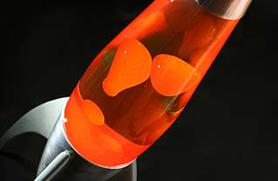
Many people are unaware that improper disposal of lava lamps can have environmental consequences. This seemingly harmless decorative piece, with its mesmerizing dance of colored bubbles, hides a more complex reality when it comes time to part ways. What happens to those sealed containers filled with mysterious substances?
Lava lamps contain a mix of oils, wax, and chemicals that require careful disposal. Historically crafted in the 1960s, they continue to captivate imaginations, but their components can be harmful if not disposed of correctly. According to recent waste management data, over 70% of household hazardous waste, including items like lava lamps, is improperly discarded, posing risks to ecosystems and human health.
- Ensure the lava lamp is completely cool before handling.
- Carefully pour the liquid contents into a sealable container labeled as hazardous waste.
- Recycle the glass container after thoroughly cleaning it.
- Remove and recycle any metal or plastic parts separately.
- Take the hazardous waste to a specialized disposal facility.

How to Dispose of Old Lava Lamps
First, understand that lava lamps are not just simple glass containers; they contain a mix of wax, oil, and various chemicals. Improper disposal can be harmful. According to the article here, it’s crucial to handle these components carefully. When preparing for disposal, unplug the lamp and let it cool down. Safety should always come first.
Once the lamp is cool, you can start by draining the liquid contents. Carefully pour the liquid into a sealable container. Ensure it is properly shut to prevent any leaks. The wax and oil inside a lava lamp can be harmful to the environment if not disposed of correctly. It’s essential to send this container to a hazardous waste facility.
The glass container can be recycled just like any other glass item. Make sure to clean it thoroughly before placing it in the recycling bin. For the lamp’s base and electrical components, separate them into their respective recycling categories. If unsure, consult your local recycling guidelines.
Finally, it’s wise to use professional waste management services for items like lava lamps. As advised here, reaching out to local waste management can provide more guidance. They often offer specific programs for hazardous household waste. Taking these steps ensures you’re doing your part in protecting the environment.
Step 1: Understanding the Components of a Lava Lamp
Lava lamps contain a fascinating mix of components that create their mesmerizing effect. The two key ingredients are wax and a special liquid, usually a type of oil or water mixture. When heated, the wax floats and moves due to changes in density. This reaction is what gives the lamp its signature look. Understanding these basic components is the first step in responsible disposal.
The glass container is the next significant element. It’s essential to know that this glass can be recycled. However, it must be cleaned thoroughly to remove any residue from the inside. Additionally, the container often includes a metal cap, which should be separated. These materials need different recycling processes.
Electric components, such as the bulb and wiring, are also vital parts of a lava lamp. These parts must be handled with care due to their potential hazards. For instance, the bulb can contain traces of mercury, which is dangerous if broken. Thus, understanding how to deal with these elements prevents environmental and health risks.
According to this expert opinion, proper knowledge of the components aids in their disposal. The base typically houses the electrical wiring and is made of metal or plastic. These should be disposed of separately. Knowing these details can assist in breaking down the lamp correctly for safe disposal.
Step 2: Preparing for Disposal
Before you start, ensure the lava lamp is completely cool. Unplugging it and allowing it to sit for a few hours is best. This waiting period is crucial to avoid burns and ensure the liquid inside isn’t in a volatile state. Once the lamp is cool, gather the necessary tools for disassembly. These might include protective gloves, a container for the liquid, and some cleaning supplies.
The next step is to remove the cap from the glass container. Do this carefully to avoid breaking the glass. To minimize mess, work over a surface covered with newspaper or an old cloth. Slowly pour the liquid into a sealable container. Ensure the container is securely closed to avoid spills during transport.
Wearing gloves is highly recommended when handling the liquid and wax. This precaution prevents any skin irritation or potential harm from unknown chemicals. If any liquid spills, clean it immediately with paper towels. Dispose of the paper towels in a sealed plastic bag to prevent leakage.
Finally, separate the lamp’s base, bulb, and any other detachable components. Sort these parts according to your local recycling guidelines. For instance, metal parts go in one bin, while glass parts go in another. Contact your local waste management center for any specific disposal instructions.
Step 3: Safe Disposal of Liquid Contents
Start by understanding that the liquid inside a lava lamp can be harmful to the environment. It’s crucial to handle this step carefully. Begin by labeling the container holding the liquid as hazardous waste. This informs anyone handling it about the potential risks. Always keep the container sealed tightly to prevent leaks.
The best disposal method involves taking the sealed container to a hazardous waste facility. These facilities are equipped to handle such materials safely. You can find the nearest facility by checking your local municipality’s website. Most of these centers have specific drop-off times. Ensure you adhere to their guidelines and schedules.
If a hazardous waste facility isn’t accessible, you can look into community hazardous waste collection events. These events are organized periodically and provide an opportunity to dispose of such materials responsibly. Check with your local waste management for the next scheduled event. Participation in these events helps ensure proper disposal.
It’s important to avoid pouring the liquid down the drain or into the soil. Doing so can lead to contamination of groundwater and harm aquatic life. According to waste management experts, improper disposal of hazardous liquids can lead to severe environmental damage. Always prioritize proper handling and disposal methods.
If you’re unsure about the proper steps, consult authorities or professionals. They can provide guidance specific to your area. Following their advice ensures that the harmful components are neutralized effectively. This keeps both the environment and your community safe.
Step 4: Handling the Lamp Base and Bulb
The lamp base and bulb are critical parts of your lava lamp that need careful disposal. Start by unplugging the lamp to ensure safety. Next, remove the bulb from the base gently. Bulbs can contain hazardous materials such as mercury, which is harmful if broken. Therefore, handle them with care.
Once you have removed the bulb, check to see if it is still functioning. If it is, consider repurposing it for other household items. However, if the bulb is broken or no longer usable, it needs special disposal. These bulbs should be taken to a recycling facility that handles electronic waste.
- Check local recycling guidelines for electronic waste.
- Use protective gloves when handling broken bulbs.
- Seal the bulb in a plastic bag before disposal.
The lamp base itself is typically made of metal or plastic. These materials can often be recycled but might require different handling methods. Separate the wiring from the base and make sure to dispose of each component correctly. Metal parts can go to a metal recycling center, while plastic parts should be placed in the appropriate recycling bin.
If the lamp base includes any decorative elements like paint or stickers, try to remove them. Doing so may make the recycling process more efficient. Local recycling centers usually have specific guidelines for handling such items. Adhering to these guidelines helps to ensure the materials are properly recycled.
Step 5: Disposing the Glass Container
Disposing of the glass container from your lava lamp requires careful attention. Start by making sure the glass is clean and free of any residue. Any remaining liquid or wax should be thoroughly removed. A good rinse with warm, soapy water usually does the trick. Once cleaned, let it fully dry.
Next, you must decide if the glass is recyclable. Most glass containers are accepted in regular recycling programs. However, some local recycling guidelines may vary. Check with your municipality to confirm. Not all glass types are processed the same way.
If your glass container has any metal or plastic parts, you should remove them. These parts can be disposed of separately according to your local recycling rules. Use a small screwdriver if needed to detach these components. Proper sorting helps in efficient recycling.
- Remove any metal caps or lids.
- Dispose of decorative elements separately.
- Ensure the glass is not broken before recycling.
Broken glass requires extra precautions. If the glass container is shattered, place the pieces in a sturdy cardboard box. Tape the box securely to avoid any injuries during waste handling. Clearly label the box as broken glass before taking it to the recycling center.
The Environmental Impact of Incorrectly Disposing Lava Lamps
Improper disposal of lava lamps can lead to significant environmental harm. The liquid inside contains chemicals that can contaminate soil and water. When these substances seep into groundwater, they pose a risk to both plant and animal life. This contamination can spread, affecting larger ecosystems over time. Therefore, disposing of the liquid carefully is crucial.
The wax component also poses challenges. When not disposed of correctly, it can clog drains and sewage systems. Wax is not biodegradable and can linger in the environment for years. This disruption affects local water treatment processes. Maintaining proper disposal helps avoid these issues.
Electric components like bulbs may contain hazardous materials such as mercury or lead. If thrown in regular trash, these toxic elements can leach into landfills. This leaching process releases harmful substances into the surrounding area. Proper recycling mitigates these risks.
- Contaminated soil impacts local farming.
- Polluted water bodies harm aquatic life.
- Toxic elements affect human health through food chains.
The glass container, though seemingly harmless, also carries environmental risks if broken carelessly. Shattered glass poses physical hazards to waste handlers and wildlife alike. Improperly disposed glass can end up in natural habitats, creating long-lasting safety concerns. To prevent this, follow proper recycling protocols.
Professional Waste Management Services for Lava Lamps
When disposing of old lava lamps, professional waste management services can be invaluable. These services are specifically equipped to handle hazardous materials safely. They ensure that each component of the lava lamp is disposed of in the most environmentally friendly way. This includes the liquid, wax, and glass components. Utilizing these services helps reduce your environmental footprint.
Many local waste management firms offer specialized pick-up services for hazardous household waste. You can schedule an appointment for them to collect your lava lamp directly from your home. This service ensures that hazardous liquids and chemical components are managed properly. It also saves you the hassle of figuring out the disposal process on your own. Many communities have dedicated programs for household hazardous waste.
Additionally, these services often provide detailed instructions on how to prepare items for disposal. This might include proper labeling and sealing of hazardous materials. Their guidelines help in ensuring everything is handled according to regulations. Following their steps not only ensures safety but also makes the entire process smoother. Many companies also offer educational resources to increase awareness about proper disposal methods.
- Contact local waste management firms for service details.
- Schedule an appointment for hazardous waste pick-up.
- Follow preparation instructions carefully.
Professional services also educate residents on the importance of proper disposal. They conduct community outreach programs that highlight the environmental risks of incorrect disposal. This awareness is crucial for community health and safety. Furthermore, using these services guarantees compliance with local and federal regulations. This compliance is essential for both legal and environmental reasons.
The Importance of Proper Waste Disposal Practices
Proper waste disposal practices are crucial for protecting our environment and health. When waste is disposed of correctly, it minimizes the risk of harmful substances contaminating soil and water. This is especially important for hazardous items like lava lamps. Improper disposal can lead to long-term environmental damage. It’s crucial for everyone to follow the correct disposal guidelines.
Adhering to proper waste disposal methods also helps in conserving natural resources. Recycling materials like glass, metal, and plastic reduces the need for raw materials. This process saves energy and lowers greenhouse gas emissions. By recycling, we contribute to a more sustainable and eco-friendly world. Awareness about these benefits can motivate more people to recycle.
Correct waste disposal also reduces public health risks. Chemicals and hazardous materials, if not disposed of properly, can lead to severe health problems. For example, improper disposal of items containing mercury can contaminate water sources. This contamination can affect the health of entire communities. Proper disposal practices ensure the safety and well-being of everyone.
- Minimizes environmental contamination.
- Conserves natural resources through recycling.
- Reduces health risks from hazardous materials.
Educational programs and community outreach are vital in spreading awareness about proper waste disposal. Local governments and organizations often provide resources to educate residents. These programs help people understand the correct methods for disposing of various types of waste. Participation in these programs strengthens community efforts toward environmental protection. Engaging in proper waste disposal practices is a collective responsibility.
Frequently Asked Questions
Disposing of old lava lamps can be tricky. Here are some common questions and clear answers to guide you through the process.
1. Can you pour lava lamp liquid down the drain?
You should never pour lava lamp liquid down the drain. The chemicals in the liquid can harm plumbing systems and contaminate water sources. Instead, seal the liquid in a container labeled as hazardous waste for proper disposal.
If you dispose of it improperly, it poses environmental risks, including harming aquatic life. Local waste management facilities can handle such hazardous materials safely, ensuring minimal environmental impact.
2. Are lava lamps recyclable?
Yes, certain parts of a lava lamp are recyclable. The glass container can be cleaned and placed in your regular glass recycling bin if it’s free from any residues or labels.
The metal and plastic parts of the lava lamp should also be recycled separately according to local recycling guidelines. Be sure to check with your local recycling services for specific instructions.
3. What should I do with a broken lava lamp?
If your lava lamp is broken, handle it carefully to avoid cuts from shattered glass. Use protective gloves while cleaning up any shards and place them in a secure container.
The liquid should be poured into a sealable container for hazardous waste disposal. Take all components to appropriate disposal or recycling centers as advised by local authorities.
4. Is there a way to repurpose old lava lamps?
You can get creative with repurposing parts of an old lava lamp! For example, use the clean glass container as a unique vase or decorative item around your home.
The base, especially if metallic, could serve as an interesting component in DIY projects or art pieces. Repurposing helps reduce waste and gives new life to old items.
5. Where can I take my old lava lamp for safe disposal?
Your local hazardous waste facility is typically equipped to handle items like old lava lamps safely. Some communities even have specific collection events for hazardous household materials.
You can check online for nearby facilities or contact municipal services for more detailed information on drop-off locations and procedures. These centers ensure that harmful substances are managed responsibly without risking environmental damage.
Conclusion
Proper disposal of old lava lamps is essential for protecting both the environment and human health. By following the recommended steps, you ensure that harmful components are managed safely. This small effort contributes significantly to environmental conservation.
Utilizing professional waste management services simplifies the process and ensures compliance with regulations. Remember, responsible disposal is not just about following rules; it’s about safeguarding our planet for future generations. Let’s all take that responsibility seriously.

I’m Emily Johnson, an affiliate marketer and blogger focused on lamps and lighting. I share honest reviews, simple buying guides, and practical tips. My goal is to help readers choose the right lamp for their space, style, and budget with confidence.