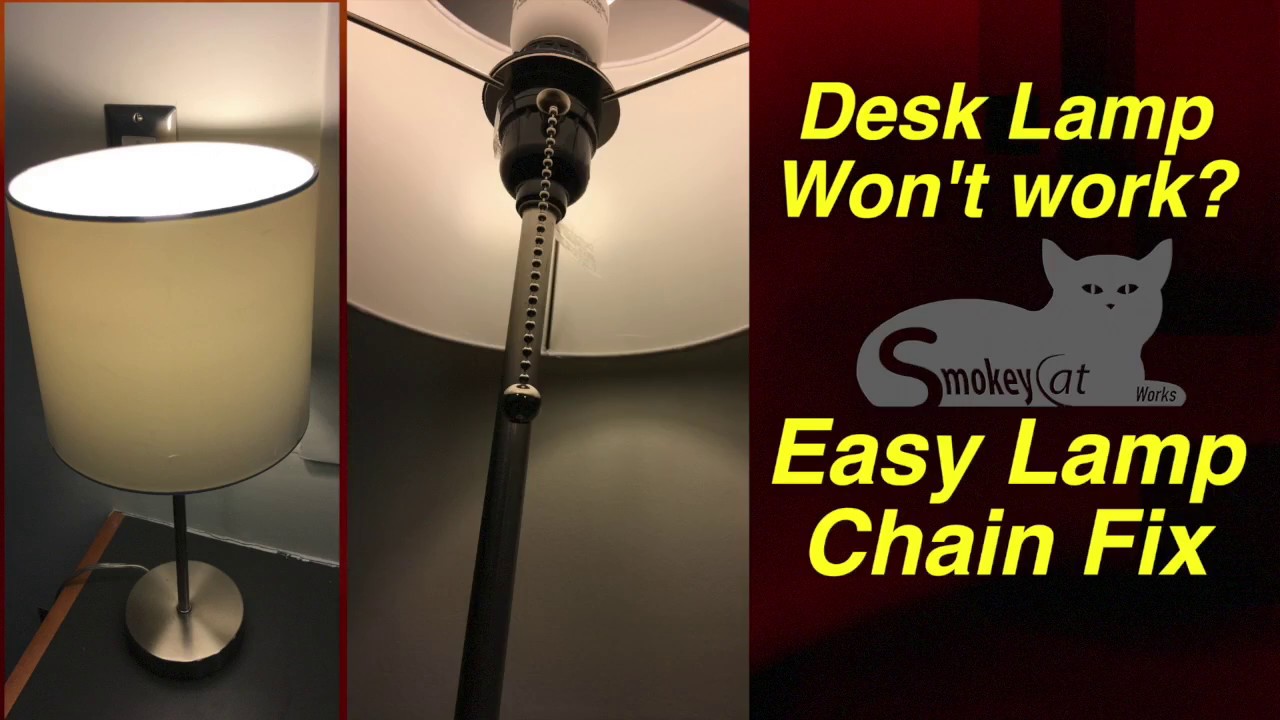
It’s fascinating how a small component like a pull chain can disrupt the functionality of your table lamp. Think about how many times you’ve unconsciously relied on that tiny piece to illuminate your workspace or living area. When it breaks, it can seem like a minor inconvenience but repairing it can alleviate ongoing frustration and extend the life of your lamp.
Pull chains have been an integral part of lamps since their invention in the late 19th century, providing an easy on-off mechanism. A simple fix often involves replacing the chain or reattaching a disconnected one, a task that can be done with basic tools. Interestingly, about 80% of minor lamp malfunctions are due to problems with the pull chain, making this a highly relevant repair skill.
- Unplug the lamp and remove the lampshade to access the socket.
- Use a screwdriver to unscrew the socket cover and expose the faulty pull chain.
- Detach the old pull chain using pliers and insert a new one through the same hole.
- Securely attach the new chain to the switch mechanism.
- Reassemble the socket cover, reattach the lampshade, and plug in the lamp.
- Test the new pull chain to ensure it functions correctly.
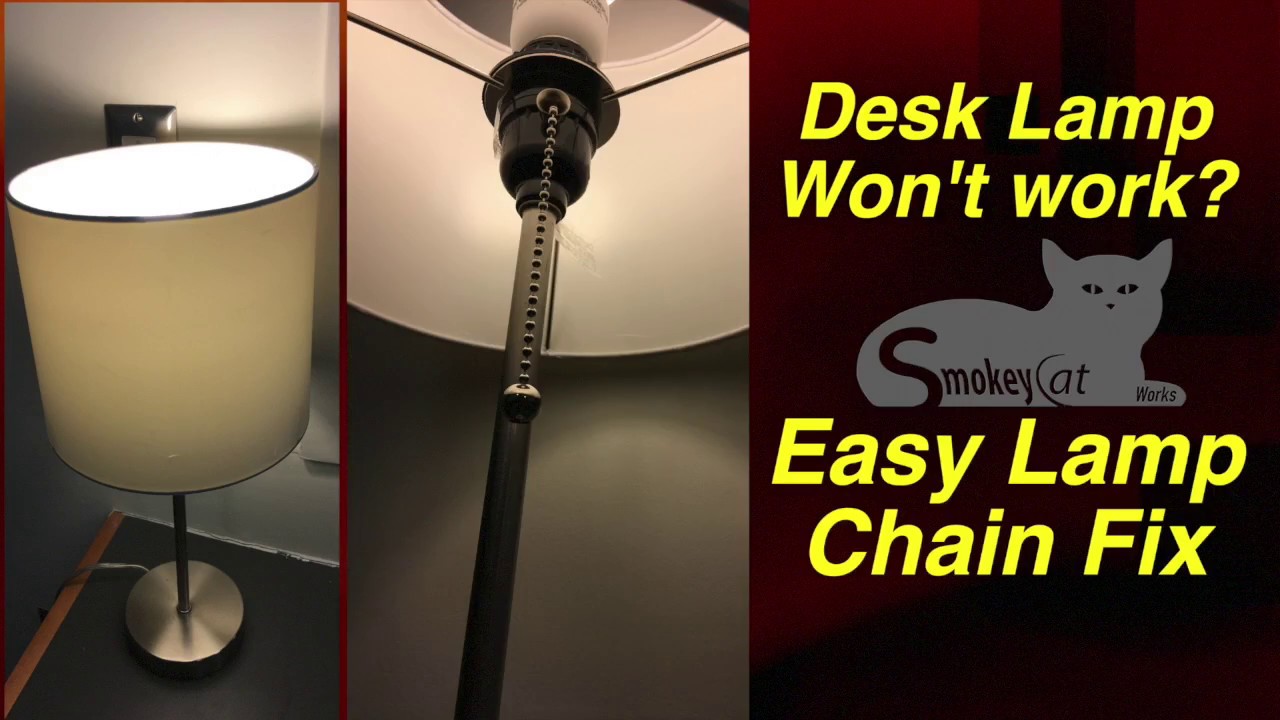
How to Fix a Pull Chain on a Table Lamp
The first step to fix a pull chain is to identify the problem. Is the chain broken or simply stuck? Once you know what you’re dealing with, gather basic tools like pliers, a screwdriver, and a replacement chain if needed. Turn off and unplug the lamp for safety. This will help prevent any electric shocks while working.
Next, you’ll need to detach the faulty pull chain. Carefully unscrew the socket cover to access the chain mechanism. If the chain is broken, use pliers to remove it from the socket. Sometimes, the chain just slips off its track and needs realignment. Pay attention to the small parts inside; losing them could complicate the repair.
After removing the old chain, install the new one or realign the current chain. Insert the new chain through the hole in the socket. Ensure it fits securely and moves smoothly. Tighten any screws you loosened earlier. Reattach the socket cover once everything is in place.
Finally, test the new pull chain to ensure it works correctly. Plug the lamp back in and turn it on. Pull the chain to see if the light turns on and off without issue. If it functions well, you’ve successfully fixed your table lamp’s pull chain. If not, you may need to recheck your work or consult a professional.
Step 1: Identify the Problem with the Pull Chain
First, check if the pull chain is simply tangled or stuck. Sometimes, the chain can get caught inside the socket, causing it to be difficult to pull. Gently tug on the chain to see if it moves freely or if it feels obstructed. If it’s stuck, the issue might be internal. This requires you to go a bit deeper in your investigation.
If the chain moves but the lamp does not turn on or off, the problem might be with the switch mechanism itself. Over time, the switch can wear out and fail to function properly. Listen for any unusual clicking sounds when you pull the chain. These sounds can indicate a broken switch. Carefully examine the socket for any visible damage.
In some cases, the problem can be due to a broken chain. Look for any signs of damage or wear on the chain. A broken chain will need to be replaced. You can usually find suitable replacements at hardware stores. Make sure to get one that matches the type and length of your existing pull chain.
Lastly, check if there are loose connections. Sometimes, the wiring inside the lamp may become loose, leading to the pull chain not working correctly. Inspect the connections to ensure they are secure. It’s important to turn off and unplug the lamp before doing this to avoid any electric shock. If you find loose wires, reconnect them properly.
Step 2: Gather Necessary Tools
Before you begin the repair, gather all the necessary tools. This ensures you won’t have to stop midway through the process. The basic tools you’ll need include pliers and a screwdriver. Both of these tools will help you remove and replace parts without any hassle. A replacement pull chain is essential if the old one is broken.
Using the right tools makes the job easier and more efficient. You might also need a flashlight for better visibility inside the lamp socket. This can be particularly helpful if you’re working in a dimly lit area. Tape can be useful to temporarily hold parts in place. Make sure your workspace is well-lit and organized.
Keeping all your tools within reach will save you time and frustration. Lay them out neatly on a table or a flat surface. This setup allows you to grab what you need quickly. Additionally, a small container can be handy for holding screws and tiny components. Losing small parts can complicate the repair process.
It’s important to also have safety gear. Wear gloves to protect your hands from sharp edges and electrical components. Safety goggles can protect your eyes from accidental debris. Always work in a well-ventilated area. By preparing properly, you set yourself up for a smoother repair experience.
Step 3: Detach the Faulty Pull Chain
To begin detaching the faulty pull chain, first, unplug your lamp. This step is crucial for your safety. Electric shocks can be dangerous. Lay the lamp on a flat surface to stabilize it. Make sure the area is well-lit so you can see what you’re doing.
Next, remove the lampshade to access the socket. Use a screwdriver to unscrew the socket cover. Carefully lift the cover to expose the inside mechanism. The pull chain will usually connect to a small switch inside. Take a close look at how it is attached.
Once you have clear visibility, use pliers to detach the chain from the switch. Grip the chain firmly and pull it out. Be gentle to avoid damaging any other components. If the chain doesn’t come out easily, check for any additional screws or clips holding it in place. Remove these as needed.
Be mindful of any small parts that may come loose. It’s a good idea to have a small container nearby to store screws and other small items. This will prevent losing essential parts. Keep any pieces you might need for reassembly later.
Some pull chains have a clip or attachment point that connects to the switch lever. Make sure to note its position before removal. A good tip is to take a picture for reference. This will help ensure you reattach everything correctly later on.
Double-check to make sure you’ve removed all parts of the faulty chain. Look inside the socket to confirm that nothing is left behind. This will make the installation of the new pull chain much smoother. Once everything is detached, you’re ready for the next step.
Step 4: Install the New Pull Chain
First, take your new pull chain and examine it to ensure it’s the correct length and type. If it’s too long, you can trim it down using a pair of pliers. Insert the end of the new chain through the hole in the socket. Make sure it fits securely and moves easily. This will help avoid any issues later on.
Next, attach the new chain to the internal switch mechanism. Look at any photos or notes you took before removing the old chain. This will guide you in properly positioning the new one. Use your pliers to secure the chain in place. Make sure it’s firmly attached to avoid it slipping off again.
Once the chain is in place, test its movement. Pull the chain gently to make sure it activates the switch correctly. If everything seems to be working well, you can proceed to reassemble the lamp. Reattach the socket cover with the screwdriver. Be careful not to over-tighten the screws, as this can damage the socket.
Make sure everything is aligned properly before finalizing the reassembly. Double-check that the pull chain hangs straight and moves freely. This will ensure the longevity of the new pull chain mechanism. If everything looks good, you’re ready for the next step. This ensures the task is completed efficiently and safely.
If you find the chain isn’t moving smoothly, you might need to adjust its position. Sometimes, the chain can get caught or kinked during installation. Gently reposition it until it moves easily. This can save you from future headaches. A well-installed pull chain should work without any hitches.
Lastly, test the new pull chain by turning the lamp on and off several times. Make sure it works flawlessly before closing up. If there are any issues, now is the time to address them. Addressing problems immediately will ensure your repair is successful and long-lasting.
Step 5: Test the New Pull Chain
After installing the new pull chain, the first thing to do is test it. Plug the lamp back into the electrical outlet. Turn on the lamp using the pull chain. Make sure it switches on smoothly. If the light doesn’t come on, double-check your connections inside the socket.
Once the lamp is on, turn it off by pulling the chain again. Ensure that the switch mechanism feels solid and responsive. If the pull chain feels loose or unsteady, you might need to tighten some screws. This will prevent any future malfunctions. Ensure it operates consistently each time.
To further ensure the chain’s reliability, repeat the on-and-off process several times. This helps confirm that everything is working as it should. If any issues arise, they are usually noticeable during this testing phase. Pay attention to any odd sounds or resistance. Consistent performance indicates a successful repair.
If everything works well, leave the lamp on for a few minutes to test electrical stability. Observe the lamp for any signs of flickering or inconsistency. This step verifies that the internal wiring is secure. Stable lighting ensures the new pull chain has been installed correctly. If you encounter any problems, you might need to revisit earlier steps.
Finally, move the lamp back to its original position. Make sure the pull chain is easily accessible and hanging correctly. The last thing you want is to discover an issue once the lamp is back in use. Testing thoroughly now saves time and effort later. A well-tested pull chain guarantees that your lamp will function reliably.
Safety Precautions When Repairing a Lamp Pull Chain
When repairing a lamp pull chain, the very first step is to unplug the lamp from the electrical outlet. This simple action prevents electric shocks, which can be dangerous or even fatal. Always make sure the lamp is turned off and disconnected from any power source. Safety should always come first in any repair work. Confirm that no electricity is flowing before starting your work.
Wear safety gear like gloves and goggles to protect yourself from sharp edges and small flying debris. Gloves will also help in getting a good grip on tools and components. When dealing with tiny screws or parts, the goggles prevent anything from getting into your eyes. Proper clothing, such as long sleeves, adds an extra layer of protection. These precautions may seem minor but are very effective.
While you’re at it, keep your workspace well-lit and organized for better visibility and efficiency. A cluttered area can lead to accidents or misplaced parts, complicating your repair project. Use a clean table or surface where all your tools and components are within reach. Bright lighting helps you see small details more clearly. Organizing screws in small containers avoids losing crucial parts.
If you are not confident about handling electrical repairs, consult a professional or seek guidance from reliable sources before proceeding. Certain issues might be more complex than they initially seem. Do not hesitate to ask for help if needed; it’s better than causing further damage or risking injury. Learning through tutorials or expert advice can also enhance your skills for future projects.
Never rush through the repair process; take your time to ensure every step is done correctly and safely. It’s important to follow each instruction carefully instead of skipping steps to save time. Rushing increases the risk of errors or accidents happening during the process. Patiently double-checking each action makes sure you don’t miss any vital details.
After completing the repair, tidy up your workspace before plugging the lamp back in for testing. Ensure no tools or leftover parts are near electrical outlets to prevent hazards during use.. Be methodical about cleaning up to ensure no hazards are left behind.. This ensures a safer environment post-repair.. Proper clean-up reflects thoroughness in completing a safe repair job effectively..
Common Problems You Might Encounter and How to Solve Them
One common issue you might face is a stuck pull chain. When the chain feels jammed and won’t move, it can be due to debris or misalignment within the socket. To solve this, carefully open the socket and inspect for any blockages. Clean out any dirt or dust that may be causing the issue. Make sure the chain is properly aligned before closing it back up.
Another frequent problem is when the pull chain breaks off inside the lamp. This usually happens due to wear and tear over time. If this occurs, you’ll need to replace the broken chain. Use pliers to carefully remove the remnants of the old chain. Install a new chain and ensure it is securely attached to the switch.
Electrical issues can also arise, such as the lamp not turning on even after fixing the pull chain. This could be due to loose wiring inside the socket. To fix this, turn off and unplug the lamp, then open the socket. Check all the wires to ensure they are connected properly. Reattach any loose wires securely.
Sometimes, the pull chain mechanism itself might be faulty. If the switch inside the socket is broken, the chain won’t work regardless of external fixes. Inspect the internal switch for any damage. If it’s broken, replace the switch with a new one. This should restore the lamp’s functionality.
Let’s summarize some common problems and their solutions in a table for quick reference:
| Problem | Solution |
|---|---|
| Stuck Pull Chain | Clean socket, realign chain |
| Broken Chain | Replace with new chain |
| Lamp Not Turning On | Check and secure wiring |
| Faulty Switch | Replace switch |
This quick guide should help you efficiently tackle common problems and keep your lamp functioning well.
The Importance of Regular Maintenance for Lamp Pull Chains
Regular maintenance of lamp pull chains is crucial to ensure their longevity and functionality. Over time, dirt and dust can accumulate around the mechanism, causing it to stick or become difficult to pull. Cleaning the pull chain and the surrounding area once a month can prevent these issues. Use a soft cloth and a bit of mild cleaner to wipe away grime. This simple step can extend the life of your pull chain significantly.
Another essential aspect of maintenance is checking for wear and tear. Over time, the chain can become frayed or weakened, leading to breakage. Regularly inspect the pull chain for any signs of damage. If you notice any issues, it’s best to replace the chain before it completely breaks. Keeping an eye on the condition of the chain helps avoid unexpected failures.
Lubricating the pull chain mechanism can also be beneficial. A small amount of lubricant ensures that the chain moves smoothly and reduces friction. Use a lubricant specifically designed for small mechanical parts. Apply it sparingly to avoid buildup. This will keep the chain and switch operating efficiently.
Additionally, checking the electrical connections at least twice a year can prevent problems. Loose wires or poor connections can lead to malfunctions or even electrical hazards. Turn off and unplug the lamp before inspecting. Tighten any loose connections and make sure everything is secure. This practice ensures your lamp operates safely and reliably.
Let’s review some key maintenance tips:
- Clean the pull chain and socket area monthly
- Inspect for wear and tear regularly
- Lubricate the mechanism occasionally
- Check electrical connections biannually
These simple maintenance practices make a big difference in the performance and durability of your lamp pull chain. Keeping up with regular care ensures that your lamp functions well for years to come.
How to Choose the Best Pull Chain for Your Lamp
When looking for the best pull chain for your lamp, consider the material. Pull chains come in various materials like metal, plastic, or beaded brass. Metal chains are generally more durable and can withstand frequent use. Plastic chains are less expensive but may not last as long. Your choice depends on your specific needs and budget.
The length of the pull chain is another crucial factor. Measure the existing chain to find the appropriate length. If the chain is too short, it may be difficult to reach. Conversely, a chain that is too long can get tangled easily. Make sure to select a chain that provides the right balance.
Another aspect to consider is the design and style. Pull chains are available in numerous designs to match your lamp and decor. Some have decorative ends, such as charms or tassels. Others may feature simple beaded designs. Select a style that complements your lamp and room aesthetics.
Compatibility with your lamp is vital. Check the lamp’s specifications to ensure the new pull chain will fit properly. Some lamps require specific types of chains or connectors. Ensure you’re choosing a chain that matches the lamp’s switch mechanism. Compatibility will make the installation process smoother.
Here are a few tips for choosing the best pull chain:
- Consider the material: metal, plastic, or brass
- Measure the length needed
- Select a design that fits your decor
- Ensure compatibility with your lamp
By taking these aspects into account, you can easily find the best pull chain for your lamp. An appropriate pull chain not only improves functionality but also enhances the appearance of your lamp.

Frequently Asked Questions
Table lamps with pull chains are common, but they can develop issues. Here are some frequently asked questions to help you troubleshoot and maintain your lamp.
1. Why does my table lamp’s pull chain keep getting stuck?
A pull chain can get stuck due to dirt and debris inside the socket mechanism. Over time, dust particles accumulate and make the chain difficult to move smoothly.
Regularly cleaning the socket and ensuring there aren’t any blockages will improve functionality. If the problem persists, consider lubricating the mechanism or realigning the chain.
2. What tools do I need to replace a broken pull chain on my table lamp?
The basic tools you’ll need include pliers, a screwdriver, and a replacement pull chain. These simple tools will help you remove the old chain and install a new one effectively.
A flashlight can also be useful for better visibility inside tight spaces. Additionally, having a small container to hold screws can prevent losing crucial parts during the repair process.
3. Can I use any type of pull chain as a replacement for my lamp?
It’s important to choose a pull chain that’s compatible with your existing lamp’s switch mechanism. Not every type of pull chain fits all lamps, so double-check specifications before purchasing.
Selecting the correct length and material (metal, plastic) is crucial for both functionality and appearance. Ensuring compatibility will save you from further issues down the line.
4.Lamp not turning on even after replacing the pull chain. What’s wrong?
If your lamp doesn’t turn on even after replacing the pull chain, loose wiring may be causing it. Often during repairs wires come loose without noticing them.
You should unplug your lamp again inspect its wiring inside checking each connection tightly secured .If still facing issues call qualified electrician advice next steps troubleshoot safety properly maintained .
5.How often should I perform maintenance on my table lamp’s pull chain?
Conclusion
Understanding how to fix a pull chain on a table lamp can save both time and money. With the right tools and a bit of knowledge, you can easily address common issues yourself. Regular maintenance further ensures your lamp remains functional for a long time.
Adhering to safety precautions during repairs is crucial to avoid any accidents. The steps and tips provided aim to make the process straightforward and efficient. A well-maintained pull chain enhances not just functionality but also the overall aesthetic of your lamp.

I’m Emily Johnson, an affiliate marketer and blogger focused on lamps and lighting. I share honest reviews, simple buying guides, and practical tips. My goal is to help readers choose the right lamp for their space, style, and budget with confidence.