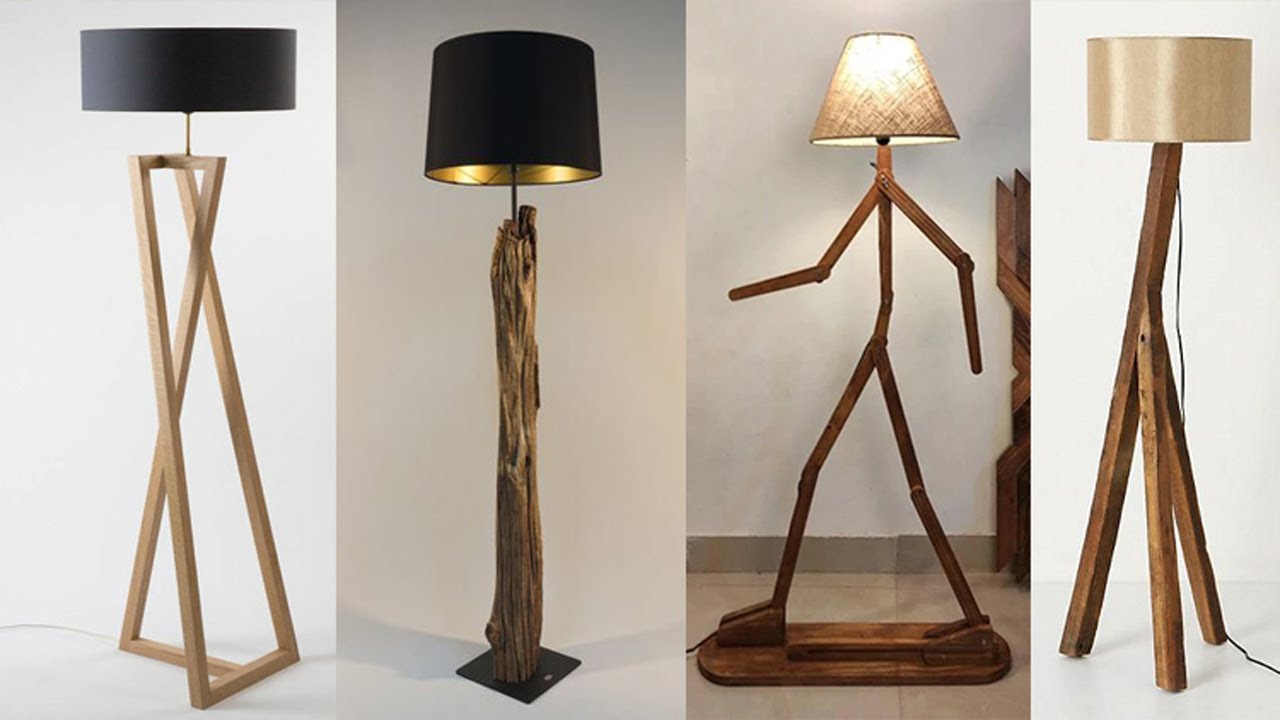
A single piece of handcrafted wooden art can transform an entire room’s ambiance. Building your own wooden floor lamp is not only a rewarding woodworking project but also adds a touch of bespoke elegance to your living space. Many experts find themselves drawn to this project for the sheer satisfaction of combining functionality with artistry.
Throughout history, wood has been a preferred material in design, melding timeless beauty with durability. Today, DIY enthusiasts appreciate that the global market for wooden furniture and decor is set to reach $476.3 billion by 2026, underscoring a growing affinity for organic materials. Crafting a wooden floor lamp entails selecting the right type of wood, measuring and cutting components with precision, and assembling them with care, resulting in a functional piece that tells your unique story.
- Choose the right wood and cut it to your design specifications.
- Assemble the wooden base using wood glue and screws for stability.
- Drill holes for electrical components and thread the wiring through.
- Attach the socket, harp, and shade holder securely.
- Apply a finish or paint for aesthetics and durability.
- Test the lamp to ensure all electrical connections are safe and functional.

How to Make a Wooden Floor Lamp
Making a wooden floor lamp is a rewarding DIY project that can add beauty to any room. Start by selecting the right wood, such as oak or pine, for your lamp base. You’ll need to cut the wood pieces according to your design, ensuring each piece is the correct size. Sand the edges for a smooth finish. Precision in these initial steps lays the foundation for a sturdy and attractive lamp.
Next, assemble the wooden base by connecting the pieces securely. Use wood glue and screws to hold the parts together. It’s crucial to measure accurately to avoid uneven parts. This step ensures the lamp remains stable and safe to use. Once assembled, check for any wobbles or loose connections.
Afterward, drill a hole through the wooden base for the lamp’s electrical components. Run the electric wire through this hole and attach the socket to the top. According to this post, wiring safely is critical to avoid potential hazards. Ensure the connections are secure and test the lamp to confirm it’s working.
Finally, finish your wooden floor lamp by staining or painting it to match your decor. Apply several coats of finish for durability and a polished look. Add a lampshade that complements your design. For a different perspective on DIY lamp-making, check out here is the article. This project not only enhances your woodworking skills but also provides a custom piece for your home.
Step 1: Choosing the Right Wood for Your Lamp
Choosing the right wood is crucial for the appearance and stability of your floor lamp. You might prefer oak if you’re seeking durability, as it’s known for its tough grain. Pine is another good option, especially if you want something lightweight and easy to work with. Some exotic woods like walnut or cherry offer rich tones that can make your lamp stand out. Pick a wood that matches your home’s decor and your skill level.
Consider the wood’s grain pattern and color as well. A straight grain is easier to cut and sand, while a more complex grain can add character but requires careful handling. Hardwood generally offers more durability compared to softwood. However, softwood can be easier to carve. Think about these factors before making your final choice.
Consider sourcing sustainably harvested wood to minimize environmental impact. Reclaimed wood is also a good option if you want a rustic look. Many online stores and local suppliers provide eco-friendly wood choices. This decision not only benefits your project but also contributes to sustainability.
According to this expert opinion, understanding the pros and cons of different wood types can help you make an informed decision. Selecting the right wood is the first step toward creating a stunning, functional floor lamp. This choice lays the foundation for all the subsequent steps in your DIY project.
Step 2: Measuring and Cutting Your Wood
Accurate measurements are key to a successful floor lamp project. Use a tape measure and a pencil to mark your wood pieces precisely. Make sure to double-check each measurement before you start cutting. This practice minimizes errors that could waste your materials. Having a clear plan can help you keep measurements consistent.
Once your measurements are marked, it’s time to cut the wood. Use a table saw or a miter saw for straight, clean cuts. Always wear safety goggles and follow safety guidelines when operating saws. This ensures you’re protected from potential accidents. Proper tools and safety measures make the process smoother and safer.
Pay attention to the angles of your cuts. If your design includes angled cuts, make sure to set the saw to the correct angle before cutting. Some lamps may require a beveled or mitered cut for a polished look. Test the fit of the pieces together before proceeding. This step can save you time and reduce the need for adjustments later.
After cutting, sand the edges to remove any rough spots. Sanding ensures a smooth surface and helps with the assembly later. You can use fine-grit sandpaper for the best results. A well-sanded piece not only looks better but also fits together more neatly in your finished lamp. Taking the time to sand thoroughly enhances the quality of your project.
Step 3: Assembling the Wooden Base
Assembling the wooden base is a critical step in your lamp project. Start by laying out all the cut pieces on a flat surface. You’ll need wood glue, clamps, and screws to hold everything together. Apply glue to the edges that will be joined. This adds an extra layer of stability to the structure.
Press the glued edges together and use clamps to keep them in place while the glue dries. Clamps are essential for ensuring a tight, secure bond. Let the glue dry for the recommended time, usually a few hours. This step is crucial for a sturdy base. Skipping this can lead to an unstable lamp.
Once the glue sets, reinforce the joints with screws. Use a drill to make pilot holes before inserting screws. This prevents the wood from splitting. Make sure the screws are flush with the wood surface. Secure joints ensure the durability and longevity of your lamp.
If your lamp design includes additional supports, now is the time to add them. Cross braces or additional beams can distribute weight evenly. Some designs may require a more complex assembly. Follow your design plan closely. Proper supports enhance both the aesthetics and functionality of the lamp.
After assembling the base, check for any wobbling or instability. Adjust as necessary by tightening screws or adding small shims for balance. A stable base is essential for the lamp’s safety. Make sure it stands firm on the floor. Testing and adjusting now saves you trouble later.
Finish by sanding down any rough edges or surfaces. This not only improves the look but also prepares the base for the final finish. A smooth base can make a huge difference in the lamp’s overall appearance. Your hard work in this step sets the stage for a beautiful and functional lamp.
Step 4: Installing the Lighting components
Installing the lighting components is a pivotal step in your floor lamp project. Start by selecting a high-quality lamp kit. These kits usually include a socket, cord, harp, and switch. Choose a kit that matches your lamp design and meets your lighting needs. This ensures your lamp will function effectively.
Begin by drilling a hole through the center of the wooden base, if not already done. This hole should be large enough to fit the electrical cord. Thread the cord through the hole from the bottom to the top. This allows for a clean, concealed look. Concealing wires provides a polished finish.
Next, connect the socket to the top of the lamp base. Attach the wires from the cord to the socket as per the instructions provided in the kit. Usually, this involves attaching the positive and negative wires to their respective terminals. Secure the socket firmly. Ensure there are no loose connections.
Once the socket is in place, install the harp and the shade holder. These components hold the lampshade and keep it in the correct position. Tighten all screws to ensure everything stays securely in place. Stability is key to preventing the lampshade from wobbling. This step completes the main assembly.
Install a light bulb to test your wiring and components. Choose an appropriate bulb that matches the socket’s wattage rating. Plug in the lamp and turn it on. If it lights up, you’ve successfully installed the components. If not, recheck the connections and make necessary adjustments.
For safety, make sure all electrical components are securely fastened and insulated. This reduces the risk of electrical faults. Use electrical tape to cover any exposed wires. Following these safety measures ensures your lamp is both functional and safe to use at home. Taking these precautions is crucial for the longevity and safety of your floor lamp.
Step 5: Finishing Touches and Safety Tips
Adding the finishing touches to your wooden floor lamp can transform it from a simple project into a stunning piece of decor. Start by sanding the entire surface to remove any rough spots. Use fine-grit sandpaper for a smooth finish. This step prepares the wood for staining or painting. A well-prepared surface ensures the finish looks even and professional.
Next, choose whether to stain or paint your lamp. Staining brings out the natural beauty of the wood grain, while painting offers a variety of color options. Apply your chosen finish in thin, even coats. Allow each coat to dry thoroughly before applying the next. Multiple coats provide better protection and a richer appearance.
Once the finish is dry, add any decorative elements like trim or embellishments. These additions can personalize your lamp and make it unique. Carefully attach these elements using wood glue or small nails. Secure attachments prevent them from falling off over time. Decorative touches can elevate the overall design of your lamp.
After completing the decorative work, it’s important to ensure your lamp is safe to use. Check all electrical components to make sure they are properly insulated and securely fastened. This reduces the risk of electrical hazards. Use electrical tape to cover any exposed wires. Prioritizing safety is crucial for any DIY project.
Consider attaching non-slip pads to the bottom of the lamp. These pads help prevent the lamp from tipping over, especially on slippery surfaces. This simple addition enhances stability and safety. Ensuring the lamp stands firmly can prevent accidents. Non-slip pads are an easy, effective solution.
Finally, plug in your lamp and test it to ensure everything works correctly. Turn it on and off several times to check for any issues. If the lamp functions well and looks great, your project is a success. Enjoy the warm, inviting glow of your newly created wooden floor lamp. All your effort has paid off with a beautiful, functional piece of furniture.
The Benefits of DIY Lamp Making
DIY lamp making offers numerous benefits that go beyond just having a new light source. One major advantage is the opportunity to unleash your creativity. By designing and crafting your own lamp, you can create something truly unique that reflects your style. This personal touch can make your home feel more welcoming. Having a custom piece also becomes a conversation starter with guests.
Another benefit is the cost savings involved in making your own lamp. Purchasing ready-made lamps can be expensive, especially those with intricate designs or high-quality materials. By sourcing your own materials, you can often create a similar look for a fraction of the cost. This allows you to enjoy high-end style without breaking the bank. Plus, working within a budget encourages resourcefulness and smart shopping.
Additionally, building a lamp yourself provides valuable learning experiences. You’ll develop skills in woodworking, electrical work, and design. These skills can be applied to future projects, making DIY endeavors easier and more accessible. Learning through doing is an effective way to build confidence and proficiency in various crafts. Over time, you’ll find yourself tackling more complex projects with ease.
The environmental benefits of DIY lamp making are also noteworthy. Using sustainable or reclaimed wood reduces waste and promotes eco-friendly practices. Many DIY enthusiasts prioritize using locally sourced materials or repurposing items they already have at home. This approach minimizes the environmental impact compared to mass-produced products. Creating environmentally-conscious pieces contributes positively to sustainability efforts.
Lastly, DIY projects like lamp making offer mental health benefits as well. Engaging in hands-on activities can reduce stress and provide a sense of accomplishment. Completing each step of the project gives small wins that boost morale and motivation. Crafting something tangible from scratch enhances creativity while offering a break from digital distractions.
Cost Comparison: DIY Lamp vs. Store bought
Comparing the cost of a DIY wooden floor lamp to a store-bought one can reveal significant savings. Building your own lamp lets you control the budget and material quality. For example, you could choose between inexpensive pine or high-end oak based on your budget. By sourcing materials yourself, you can often find deals or use reclaimed wood. This flexibility helps manage overall costs.
Store-bought lamps come with a markup due to manufacturing and retail expenses. Retailers have to cover production, shipping, and overhead costs, which they pass on to consumers. A high-quality wooden floor lamp from a retailer could cost anywhere from $100 to $500 or more. On the other hand, a DIY lamp might only set you back $40 to $100, depending on the materials you select. The savings are clear and considerable.
Another cost-saving aspect of DIY lamp making is the potential to reuse items you already have. Many DIY enthusiasts repurpose old lamps, using their existing electrical components and hardware. This not only saves money but also reduces waste. Such resourcefulness can lead to a unique, low-cost lamp that looks just as stunning as a new one.
| Aspect | DIY Lamp | Store-bought Lamp |
|---|---|---|
| Materials | $20 – $50 | $50 – $200 |
| Electrical components | $10 – $20 | Included |
| Labor | Personal time | Included |
| Total Cost | $40 – $100 | $100 – $500+ |
While time and effort are factors to consider, the personal satisfaction of creating something unique often outweighs these. DIY projects can be a fun and fulfilling hobby, providing not just a useful item but also a sense of accomplishment. It’s not just about saving money; it’s about crafting something with your own hands that you can be proud of. Taking on a DIY lamp project can ultimately be more rewarding than buying one from a store.
Sustainability Aspects of Wooden Floor Lamps
Wooden floor lamps offer numerous sustainability advantages compared to their counterparts made from synthetic materials. One of the most significant benefits is the use of renewable resources. Trees, when managed responsibly, are a renewable source of material. This makes wooden lamps an eco-friendly choice. It helps reduce the reliance on non-renewable resources.
Additionally, wooden lamps often boast a longer lifespan with proper care. Durability means fewer replacements, reducing waste over time. Wood can also be reclaimed and reused, extending its life cycle. Unlike plastic or metal that may end up in landfills, wood can be repurposed. This characteristic contributes positively to environmental sustainability.
Creating a wooden floor lamp can also minimize transportation emissions. By sourcing local wood, you reduce the carbon footprint associated with shipping materials long distances. This local sourcing supports nearby economies and reduces overall transportation impacts. Some DIY enthusiasts even use reclaimed wood from their own area. This practice further cuts down on the ecological footprint.
The finish used on wooden lamps can also be eco-friendly. Many people choose natural stains and sealants that are free from harmful chemicals. These products are safer for both the environment and your home. Using non-toxic finishes preserves indoor air quality. This choice aligns with a sustainable and health-conscious lifestyle.
| Sustainability Aspect | Benefits |
|---|---|
| Renewable Resources | Reduces reliance on non-renewable materials |
| Durability | Long lifespan reduces waste |
| Local Sourcing | Minimizes transportation emissions |
| Eco-friendly Finishes | Improves indoor air quality |
Overall, wooden floor lamps are a green choice for environmentally conscious consumers. Their sustainability aspects make them a smart alternative to more conventional options. By choosing wood, you contribute to a healthier planet while enjoying a stylish and functional piece. This combination of benefits makes wooden floor lamps a preferred choice for sustainable living.
Customization Ideas for Your Wooden Floor Lamp
Customizing your wooden floor lamp allows you to create a unique piece that complements your decor. Start by choosing a stain or paint color that matches your room’s theme. A dark walnut stain can add a touch of elegance, while a bright paint color can make the lamp a fun focal point. You can also mix and match colors for a more dynamic look. Experimenting with finishes can yield stunning results.
To add character, consider incorporating additional materials such as metal or fabric. Metal accents, like a copper base or brass fittings, can give the lamp a modern industrial feel. Fabric lamp shades offer another layer of customization. Choose from various patterns and textures to suit your style. These mixed materials can elevate the overall design.
Personalize the lamp by adding decorative elements like carvings or engravings. Simple patterns or intricate designs can be etched into the wood to add uniqueness. You might even consider including family initials or inspirational quotes. These personal touches make the lamp more meaningful. Crafting your designs ensures a one-of-a-kind piece.
- Different stains or paints
- Metal accents
- Fabric lamp shades
- Carvings or engravings
Another idea is to incorporate functional features. Shelves or small storage compartments within the lamp base can add practicality. These features can hold books, remote controls, or other small items. This makes the lamp not only aesthetic but also useful. A multifunctional lamp serves multiple needs.
Finally, consider adding smart technology for convenience. Integrate a smart bulb or add a power outlet to the lamp base. These features allow you to control the lamp with your phone or voice commands. You can even set timers for automatic lighting adjustments. Modern technology can make your DIY lamp both stylish and high-tech.
Frequently Asked Questions
Here are some common questions that come up when making a wooden floor lamp. These answers will help guide you through the process and offer useful tips.
1. What type of wood is best for making a floor lamp?
The best wood depends on your design and budget. Hardwoods like oak, maple, and walnut are durable and have attractive grain patterns. They provide a sophisticated look but can be more expensive. Softwoods like pine are easier to work with and more affordable, though less durable.
If sustainability is important, consider using reclaimed wood or sustainably harvested timber. Reclaimed wood offers unique character and reduces waste, while sustainably harvested options help protect forests. Both choices contribute positively to environmental conservation.
2. How do I ensure my DIY wooden floor lamp is safe?
Safety starts with proper assembly techniques. Use strong adhesives like wood glue and secure joints with screws to prevent wobbling. Make sure all electrical components are insulated properly to avoid short circuits.
When drilling holes for the wiring, smooth any rough edges to prevent damage to the electrical cord. Test your lamp with a low-wattage bulb first to verify stability before using it regularly. Always follow electrical safety guidelines throughout the project.
3. Can I customize my wooden floor lamp with additional features?
Yes, customization options are plentiful! You can add shelves to the base for extra storage or incorporate metal accents for an industrial look. Decorative carvings or engravings can also be added for a personal touch.
You can even integrate smart technology by installing smart bulbs or adding USB ports for charging devices. Customizing your lamp makes it not only functional but also a reflection of your personal style and needs.
4. How much does it cost to make a wooden floor lamp?
The cost varies based on materials and complexity of the design. A basic model using pine wood might cost around $40-$100 in materials, while a high-end lamp made from hardwoods could range from $100-$200 or more.
Sourcing reclaimed materials or using items you already own can reduce costs further. Keep in mind that investing in quality tools may increase upfront expenses but will benefit future projects as well.
5. Where can I find instructions on assembling different parts of the lamp?
YouTube tutorials and woodworking forums often have step-by-step guides available for free. Many DIY blogs also offer detailed articles with photos demonstrating each step of the process clearly for beginners and experts alike.
If you prefer written instructions, numerous manuals are available online covering various aspects from cutting wood to wiring electrical components effectively similar according this post. Combining multiple resources ensures comprehensive guidance tailored exactly as per individual needs efficiently!
Conclusion
Creating a wooden floor lamp is a rewarding project that blends creativity with functionality. From selecting the wood to adding the final touches, each step allows for personal customization and craftsmanship. DIY enthusiasts can enjoy both the aesthetic and practical benefits of their handmade lamp.
Beyond the project itself, making your own lamp offers cost savings and sustainability advantages. It provides valuable skills and a sense of accomplishment. Whether for personal use or as a unique gift, a handcrafted wooden floor lamp stands as a testament to skill and creativity.

I’m Emily Johnson, an affiliate marketer and blogger focused on lamps and lighting. I share honest reviews, simple buying guides, and practical tips. My goal is to help readers choose the right lamp for their space, style, and budget with confidence.